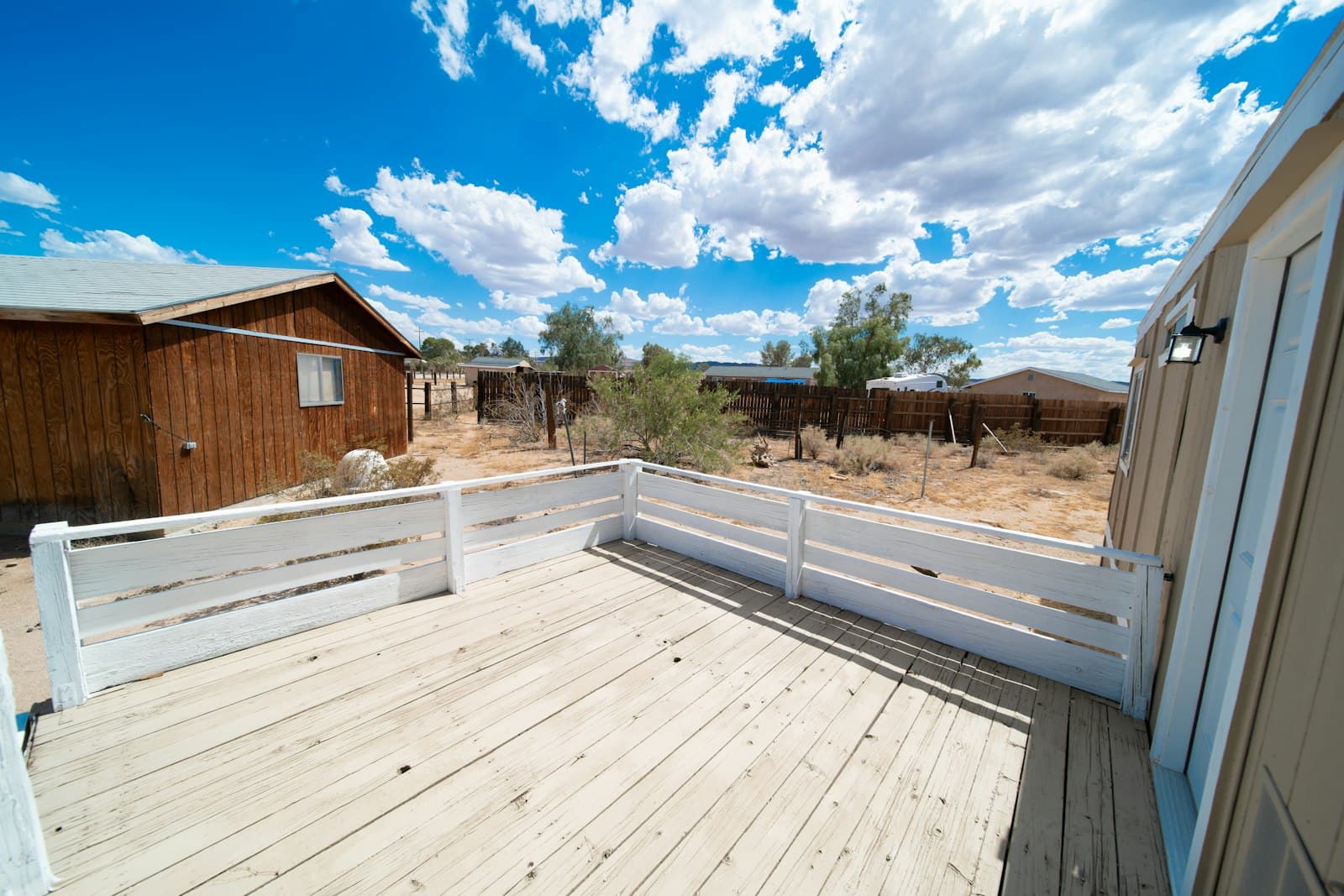
PVC decking — sometimes called “cellular PVC” or “solid polymer” — is the most expensive mainstream deck material sold in Canada in 2026. It’s also the most likely material to be quoted in inconsistent units across contractors, because the three big PVC brands (Azek/TimberTech AZEK, Deckorators Voyage, Wolf Serenity) each sell it slightly differently and the GTA installer pool is smaller than for composite.
Below is what PVC decking actually costs installed in Canada in 2026, in CAD before HST, with a clear explanation of what you’re paying for and where the premium is and isn’t justified.
The 2026 baseline number
For a PVC deck on a level lot in the GTA in 2026, expect installed pricing of $70–$110 per square foot. That’s the all-in rate the calculatoruses for PVC — roughly 25–45% above mid-tier composite, 2× pressure-treated, and 1.5× cedar per square foot.
For the four canonical sizes:
- 10 × 10 (100 sq ft): $11,500–$16,500 installed.
- 12 × 12 (144 sq ft): $14,000–$20,500 installed.
- 12 × 16 (192 sq ft): $17,500–$25,500 installed.
- 16 × 20 (320 sq ft): $27,500–$40,500 installed.
Plug your specific dimensions into the calculator and toggle to PVC for the line-by-line breakdown.
Why PVC is the premium material
The technical case for PVC over capped composite, briefly:
- No wood content. Capped composite is wood fibre + plastic + a polymer cap. PVC is plastic through and through. Nothing to absorb moisture, nothing to swell, nothing to stain from the inside.
- Lighter.A PVC board weighs roughly 30% less than the equivalent composite board. Easier on framing, easier on labour during install. Counterintuitively this doesn’t reduce the install rate — PVC labour is paid at a premium because the installer pool is smaller — but it does let PVC span slightly wider joists with engineering.
- Coolest of the synthetic materials.All synthetic decking heats up in direct sun. PVC heats up the least — roughly 8–15°F cooler than dark-tone composite at noon in July. Not nothing on a Toronto rooftop deck.
- Best warranty terms.Most premium PVC carries 50-year limited warranties versus composite’s 25- or 30-year terms. The fine print matters — transferability, labour coverage, fade limits all vary — but on paper PVC wins.
The Canadian brand landscape
Three PVC brands are reliably available in the GTA through decking distributors and major lumberyards in 2026:
TimberTech AZEK (formerly Azek)
The category leader and the most quoted PVC in the GTA. Premium lines: Vintage, Harvest, Arbor. Material cost at GTA suppliers in 2026: $12–$18 per linear ftfor the standard 5/4 × 5.5″ deck board profile. Installed at the upper half of the $70–$110/sq ft range.
Deckorators Voyage
Mineral-based composite with a PVC cap — technically a hybrid, often sold as a PVC competitor. Lighter than AZEK, slightly cheaper. Material cost: $10–$15 per linear ft. Installed at the middle of the PVC range.
Wolf Serenity
Solid PVC, narrower distribution in Canada than AZEK but present in larger Toronto and Mississauga decking distributors. Material cost: $11–$16 per linear ft. Installed at the middle of the PVC range.
Brand-to-brand quality difference within solid PVC is real but small — mostly down to colour palette, surface texture, and warranty terms. The price difference between brands is smaller than the price difference between PVC and composite, so the brand decision rarely changes the budget conversation meaningfully.
Where the spread comes from
1. Installer scarcity
There are roughly 100 contractors in the GTA who regularly install composite. There are maybe 25–35 who install PVC regularly enough to be considered specialists. The smaller pool prices accordingly — expect a 10–20% labour premium over an equivalent composite installer rate.
2. Hidden fasteners are nearly mandatory
PVC’s premium look is half the point of buying it, and face-screwing PVC defeats the purpose — the screw heads are clearly visible and detract from the seamless surface. Essentially every PVC install includes hidden fasteners, which adds $2–$4 per sq ft in labour over face-screwed installs. Some PVC profiles only work with one specific clip system; that’s usually included in the contractor’s bundled price but worth confirming.
3. Fascia and trim
Almost every PVC install includes matching PVC fascia (the vertical board covering the rim joist) and often picture framing. These add $400–$1,200 in material plus labour on a typical residential build. They’re skippable to save money, but a PVC deck with raw treated-lumber fascia looks unfinished in a way that’s hard to un-see.
4. Heat expansion gaps
PVC expands and contracts more with temperature than composite does. Installers leave wider gaps at board ends and use specific fastener systems that allow movement. Done right you’ll never notice; done wrong by an installer who learned on composite, you get buckling within two summers. This is the main reason the installer specialty premium is worth paying.
When PVC is the right pick
PVC’s premium over composite is real and only sometimes worth it. It’s most justified for:
- Lakefront / waterfront builds.Burlington, Oakville lakeshore, Toronto waterfront condos with private terraces. Constant moisture exposure — PVC literally cannot absorb water; composite’s cap can fail at the edges over decades.
- Rooftop and condo deck spaces. Heat performance matters a lot more on a rooftop with no shade than at ground level. Weight savings also matter on load-restricted structures.
- Pool surrounds. Chlorine and constant wetting are the worst combination for any wood-content material. PVC handles it.
- Premium-build homes where the spec calls for it.If your designer or architect spec’d PVC, that’s usually because every other finish on the property is at the same tier and a composite deck would read as the budget cut.
When composite is the better call
For the majority of GTA residential decks — standard backyard ground-level builds in inland suburbs, north of the lake, no pool — capped composite gives 90% of PVC’s benefit at 70–80% of the cost. PVC is the right call when the conditions that justify it are specifically present, not as a generic upgrade over composite.
Our composite deck cost in Ontario piece covers the composite baseline in detail; the side-by-side comparison is easiest to see by toggling the material picker on the calculator.
What to ask for in a PVC quote
- Specific brand, line, and colour (not just “PVC”)
- Fastener system used (and confirm it’s the manufacturer-approved one for that board)
- Fascia material (matching PVC, painted aluminum, or something else)
- Joist spacing — PVC sometimes allows 24″ centres on certain profiles with engineering
- Whether the contractor is a brand-certified installer (most PVC brands keep installer registries; certification matters for warranty validity)
- Expansion-gap detail at board ends and at the perimeter
Quotes that volunteer those details up front are usually the contractors you want to be working with. PVC is the deck material where installer expertise matters most — material cost is roughly half of installed total, and the other half is labour quality you can’t see for ten years.
The bottom line
PVC decking in Canada in 2026 installs at $70–$110 per sq ft. It outperforms composite specifically in high-moisture, high-heat, and high-spec contexts. It does not outperform composite in the dollar-per-year-of-service math for a typical suburban backyard deck. If your conditions match the “when PVC is right” list above, the premium pays off; if not, composite is the better purchase.
Run your specific build through the calculator with PVC selected, then toggle to composite and look at the spread. The breakdown shows you exactly where the premium is going line by line.